With the development of the Internet, more and more enterprises and individual users are beginning to pay attention to the use of Vietnam servers. Vietnamese servers are favored for their fast network connections and stable performance. This article will introduce in detail the complete process and precautions for enabling Vietnamese server functions, helping users configure and use Vietnamese servers more efficiently.
The first step to enabling the Vietnam server feature is to choose a reliable server provider. Users should conduct comprehensive evaluations based on their own needs, such as bandwidth, storage space, customer support, etc. Excellent providers usually provide clear terms of service and high-quality customer service to ensure that users can receive timely technical support during use. In addition, viewing user reviews and case analysis is also an effective way to choose, which can help users make rational choices among many suppliers.
After selecting a good server provider, users need to register and purchase the required server package. Usually, users need to provide some basic information, such as email address and payment methods. During the purchase process, users are advised to read the terms of service carefully to ensure that they are aware of all relevant fees and usage restrictions. After completing the purchase, the user will receive a confirmation email containing the server's login information and the access link to the admin panel.
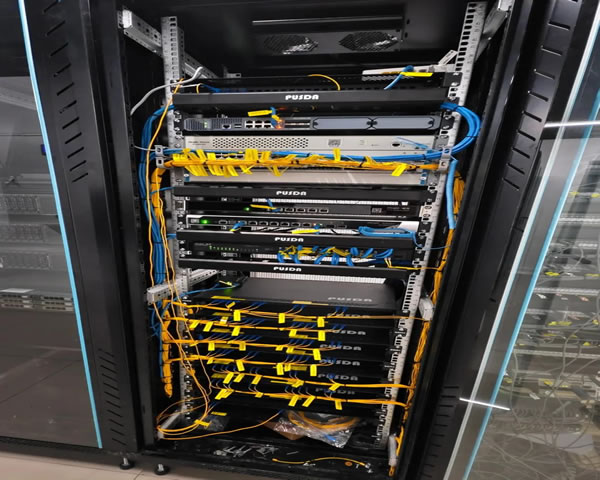
After successfully purchasing the server, the user needs to configure the server environment. First, log in to the server management panel and select the operating system (such as Linux or Windows) according to your needs. Next, users can install relevant software and applications according to actual needs, such as databases, web servers, etc. In this step, users are advised to refer to relevant technical documents or tutorials to ensure the correctness and effectiveness of the configuration.
After turning on the Vietnam server function, users should perform performance optimization to ensure efficient operation of the server. First, check the server's resource usage regularly and clean and adjust it in a timely manner. Secondly, rationally configure firewall and security settings to prevent malicious attacks. At the same time, users can also accelerate data transmission through CDN (content distribution network) and improve user access speed. Performance optimization not only improves user experience, but also reduces the failure rate of the server.
Regular backup and maintenance are very important when using Vietnamese servers. Users should develop a regular backup plan to back up data and configuration files to a secure location. This allows you to quickly restore services in the event of data loss or server failure. Additionally, server software and security patches are regularly updated to prevent potential security risks. Through good maintenance habits, users can effectively extend the service life of the server and reduce operating costs.
When enabling the Vietnam server function, users also need to pay attention to data compliance issues. According to Vietnam's laws and regulations, companies need to comply with relevant data protection regulations. Ensure user privacy and data security when collecting and processing data. In addition, data processing processes are regularly reviewed and updated to comply with the latest legal requirements. Compliance is not only a legal responsibility, but also an important guarantee for corporate credibility.
The complete process of enabling Vietnam server functionality involves multiple links, from selecting a provider to configuring the environment, to performance optimization and data compliance, every step is critical. It is recommended that users remain cautious in actual operations and make full use of available technical documents and support resources to ensure the smooth completion of server setup and maintenance. Through reasonable planning and management, users can not only improve service efficiency, but also ensure data security and compliance, thereby achieving sustainable business development.
- Latest articles
- A Guide For Newbies On How To Avoid The Hong Kong Vps 10 Yuan Purchase Trap And After-sales Trap Reminder
- Let’s Look At The Performance Guarantee Of Malaysia’s Third Network Cn2 Under High Concurrency During Holidays Through A Case Study
- Where To Open Korean Native IP And Practical Advice On Choosing The Right Package
- Taiwan Server Bidirectional Cn2 Cloud Space And Public Cloud Hybrid Deployment To Achieve Seamless Business Migration
- Stimulating Battlefield Korean And Japanese Server Connection Optimization And Delay Improvement Techniques
- Comparative Evaluation: Analysis Of The Differences Between Building Native IP Addresses In Taiwan And Native IP Addresses In Other Regions
- How To Optimize Cross-border E-commerce Access Speed And Stability Through Cambodia Cn2 Return Server
- Cambodian Server Alibaba Cloud’s Practical Experience In Network Acceleration And CDN Integration
- How To Set Up A Korean Purchasing Agent Group? Precautions And Risk Control Strategies For Compliance Operations
- Practical Experience Sharing On Vps Cambodia Node Selection And Global Deployment Strategy
- Popular tags
-

Effectiveness Evaluation Report Of Vietnam And Hong Kong Native Ip Used For Cross-border Traffic And Marketing Between Hong Kong And Vietnam
this report evaluates the performance of vietnam-hong kong native ip in hong kong-vietnam cross-border traffic and marketing, covering geographical matching, latency, advertising platform compatibility, risk control compliance and optimization suggestions. -

The Best Application Scenarios And Actual Cases Of Vietnam Vps Cn2
This article discusses the best application scenarios and practical cases of VPS CN2 in Vietnam to help users understand its advantages and applications. -

The Advantages And Features Of Pubg Vietnam Server, A Must-see For Game Lovers
this article explores the advantages and characteristics of the pubg vietnam server, providing comprehensive analysis and suggestions for game enthusiasts.